
Describe the load in useful material groups
Explain whether the project involves household contents, packaging, renovation debris or another material stream. Identify heavy and unusual items separately rather than using only a room count or the phrase general rubbish. Items needing special handling should be discussed before loading, not discovered after they have been mixed into the container.
Distinguish the City programme from a private proposal
East Ridge publishes its own short-term dumpster programme with exclusions for roofing and cinder block material. Those are the City programme’s conditions, not proof that another collector may accept every excluded item. Request a current material and provider-eligibility review for the actual property, and do not treat a generic rental quote as permission to bypass municipal requirements.
Match the container with the work sequence
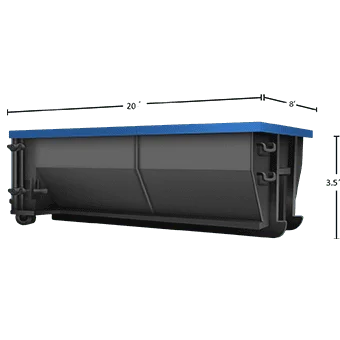
Give the provider the expected dates, loading activity and likely amount of material. Bulk and weight can lead to different questions, particularly when dense project debris is involved. Ask how the proposed container, loading limits and collection arrangement fit the described load rather than selecting solely by how much empty space the container appears to offer.
Prepare the property for the accepted arrangement
Discuss permitted placement and the vehicle approach with the relevant property contact and provider. Keep the working area and collection access practical, and ask about any changes before moving or overfilling equipment. Where people remain on site without usable bathrooms, arrange toilet and washing needs separately from the debris service.
Questions before you book
Can excluded City-programme materials simply go into another rented dumpster?
Do not assume so. Ask the actual eligible collector to review the materials and applicable requirements before loading.