
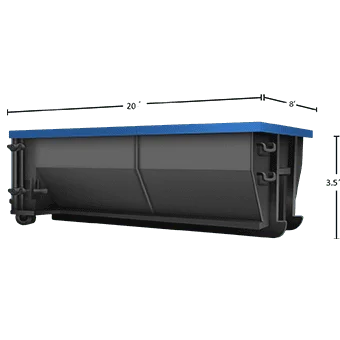
Describe how the load will be produced
Explain whether material comes out steadily during renovation or is ready for a concentrated cleanout. Identify the types and approximate amount, especially dense or unusual items. A container chosen for light household contents may not be appropriate for a visually smaller but heavier project load, so avoid treating volume as the only selection factor.
Review the loading method and position
Ask about the actual container’s permitted loading arrangement and instructions. Give the provider relevant information about the property and proposed position, including who controls the space. Do not assume access through a door or from the top will suit the work without checking the offered equipment, and do not alter it to accommodate an improvised loading method.
Keep the accepted contents separate from other waste
Use the container only for the agreed materials and limits. East Ridge’s municipal dumpster information has its own material exclusions, while any private collection proposal needs a separate eligibility and contents review. Keep special-handling items out until an appropriate route is established; the presence of a container does not turn it into a universal disposal point.
Plan the end of loading and collection
Give a realistic rental period and ask how collection or an additional container would be arranged if the project changes. Keep the agreed vehicle approach available and report a changed load before collection rather than concealing it under ordinary debris. The provider’s accepted arrangement should govern loading, movement and collection throughout the hire.
Questions before you book
Should I choose a container only by the size of the debris pile?
No. Explain material type, likely weight, loading needs and the property as well as volume so the provider can assess the actual proposal.